Health and wellness insider
The “Fuse Box” Behind My Symptoms
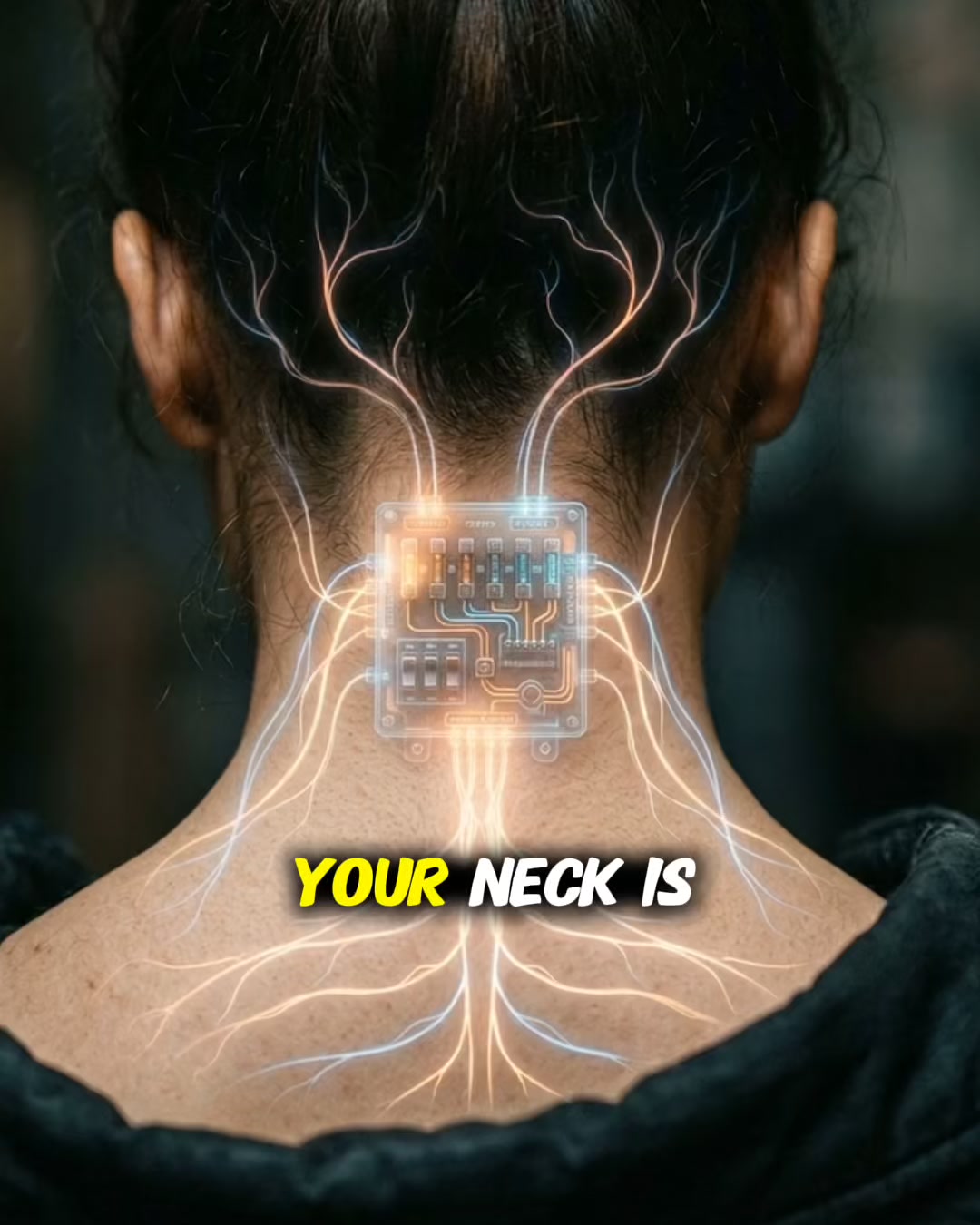
Someone finally explained my neck to me like a fuse box. And suddenly the reflux, heart palpitations, and vertigo didn't feel like three completely separate problems. For months, I had been treating them like they were. The reflux sent me looking at my stomach. The racing heart made me worry about my heart. And the vertigo became the worst of all — the kind where I'd grab onto something because, for a few seconds, I genuinely didn't trust myself to stay standing. Every symptom seemed to point somewhere different. That's what made the next explanation so hard to forget: “Look at the fuse box, not just every light that's flickering.” Right underneath your skull sit a group of tiny, deep muscles called the suboccipitals. And close to this region are important nerve pathways, including the vagus and glossopharyngeal nerves — nerves involved in communication between the brain and functions such as heart rate, digestion, swallowing, and autonomic regulation. The idea was surprisingly simple: If my neck was the fuse box, chronic suboccipital tension was the overloaded circuit. Suddenly I had a completely different question. What if the reflux, palpitations, dizziness and that constant “my body won't settle down” feeling weren't symptoms I should keep chasing individually? What if the tension at the base of my skull was an important part of the pattern I'd been overlooking? That's what eventually led me to MagicPro 3.0 by Vitality. Instead of waiting for another bad day, I started spending a few minutes each day targeting that stubborn cervical tension at home with EMS stimulation, therapeutic heat, micro-vibration and red light therapy. No complicated routine. Just consistent attention to the one area I had spent years ignoring. And that became the biggest lesson for me: When several warning lights keep flashing, sometimes it makes sense to examine the fuse box. If your vertigo tends to appear alongside base-of-skull tension, reflux, heart palpitations, or that strange over-alert feeling, watch the video below. Because understanding the neck–nervous-system connection may change the way you think about what your body has been trying to tell you. 👉 Watch the full explanation and see why I started with my neck.
Engagement over time
Not enough history yet to show a trend.