










Total ads
522,148
Added last 7 days
+98,646
See an ad worth saving?
The free extension adds every ad you scroll past to this archive, automatically.

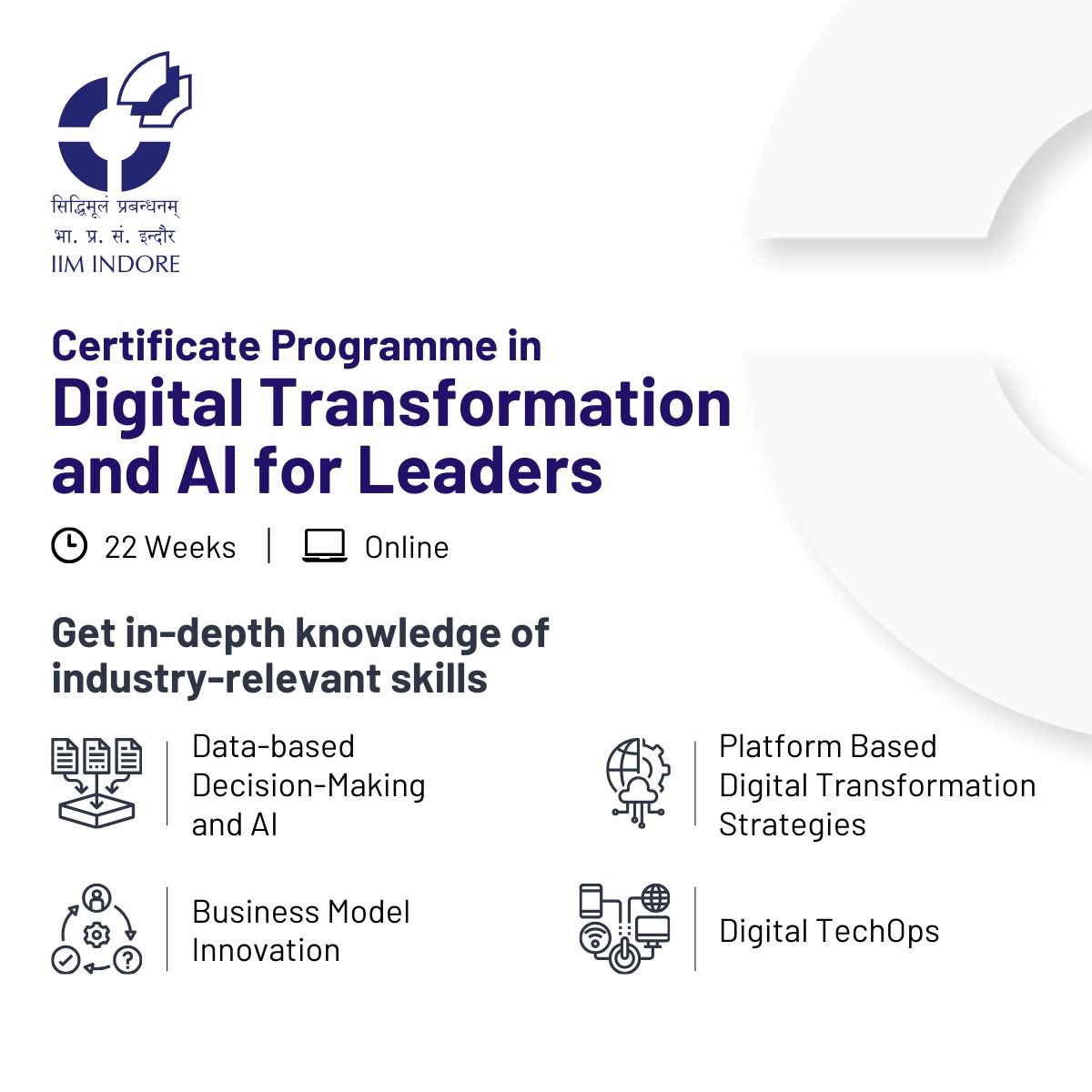
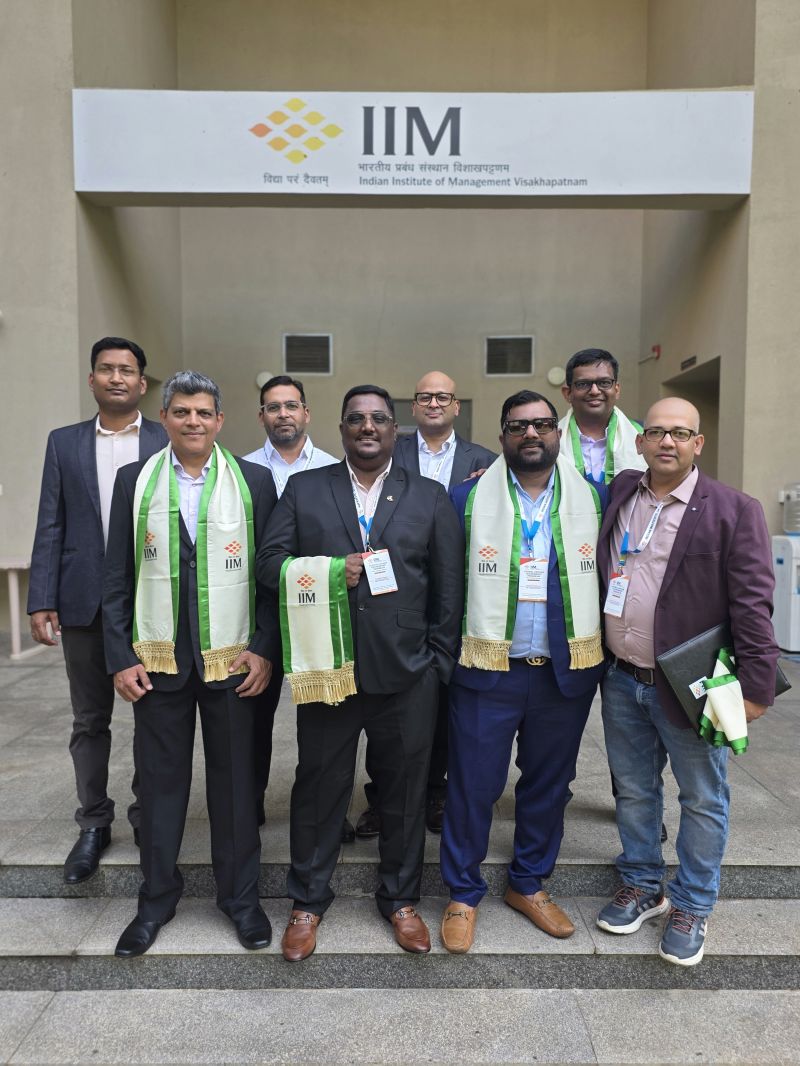
From a decision-maker to a strategic data-centric digital expert. Enrol now.
iimi.emeritus.org · 15 Oct 2026

Private AI — the Only Path to Enterprise. Your company’s intelligence is its competitive advantage. It lives in how your people recognize risk, handle exceptions and make decisions that no manual fully captures. AI can turn that expertise into operational capability and increase productivity across everyday workflows. The business should control how that capability develops. That means control across the complete stack: infrastructure, models, data, agents and applications. On-premises deployment brings the system into your environment. Air-gapped operation removes public-internet connectivity and external API dependencies. Fine-tuning shapes model behavior, while permissions and approvals govern what agents can do. These controls require engineering. A model’s ability to reason does not justify unrestricted authority. The same principle applies to performance. A smaller model adapted to a defined business task can offer better results and economics than a general-purpose model. Selection should follow your own evaluations, including the full cost of operating and maintaining the system. The lasting advantage is ownership of the improvement cycle. Your examples, expert corrections and operational experience should strengthen a capability you control. You decide what enters training, what counts as improvement and when changes reach production. That requires continuing engineering across the system. It is the principle behind what we’re building at Origon. The intelligence of a business belongs to the business. It should compound inside the company that created it. Learn more: Origon.AI
Five months ago, Relaya didn't have a single product screen. Today, our AI voice agents are answering patient calls. AI scribes are documenting consultations. Prescription intelligence is checking medication risks. And entire clinical workflows are running on one connected patient record. With real patients. In real clinics and hospitals. And customers are paying for it. Here's what that looks like in practice. A patient calls. Relaya Voice answers in Hindi, handles the conversation and books the appointment directly into the clinic's calendar. When the patient arrives, registration, queue management and vitals become part of the same patient record. During the consultation, the doctor speaks naturally, switching between Hindi, English, Marathi or other regional languages. Relaya Scribe drafts the clinical note and prescription. Relaya Rx checks for potential medication risks involving allergies, pregnancy, kidney and liver conditions. The doctor reviews and signs before anything prints on the clinic's own letterhead, with patient instructions in a language they can understand. Billing, payments and follow-ups continue on that same record. No disconnected systems. No entering the same information twice. And these aren't capabilities we're promising to build. They're already in use. Building this has reinforced something I believe about the future of healthcare technology. The opportunity isn't simply to automate individual tasks. It's to eliminate the fragmentation between them. An AI voice agent can answer the phone. An AI scribe can document a consultation. Prescription intelligence can help identify risks. But when these capabilities work together, sharing the same patient record, they become something fundamentally different. They become part of the infrastructure through which healthcare operates. That's what we're building at Relaya. Not another standalone AI tool. An AI operating system connecting the entire patient journey, from the first phone call to the final bill and follow-up. Five months ago, none of this existed. Today, it's part of real clinical practice. Built in India. For healthcare everywhere. #HealthTech #HealthcareAI
20 ads loaded