Muslim Health Insider
10 Shocking Reasons Why This Ritual Is Beating Stubborn Bloating and a Belly That Won't Go Away
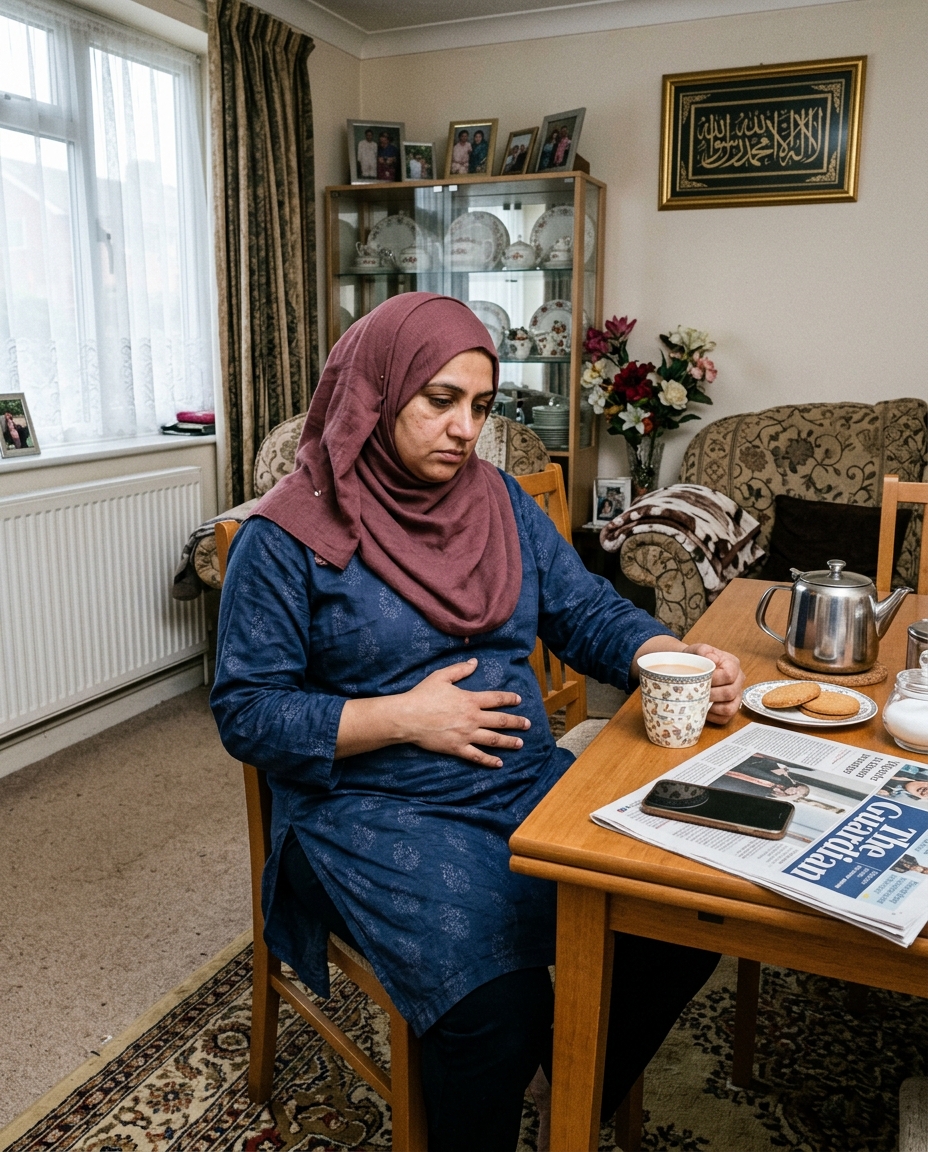
Half three. Everyone's out. The house is finally quiet. I sit down with a cup of tea, and the first thing my hand does — before the tea, before anything — is go flat against my stomach. I don't decide to do it. I've been doing it for years. Same trousers that were fine at seven this morning. That was the thing that finally made me look at it properly. Nothing about my body changed in eight hours. Fat takes months to arrive and months to leave. It doesn't turn up between Fajr and the afternoon and then leave again by morning. I attacked it as fat anyway. Bread out. Dairy out. Six weeks of a food diary hunting for the trigger. There wasn't one. And if a single food had been doing it, I'd have found it by month two. That was the clue I kept walking past. I was asking what I was eating. The question was how fast it was moving. To break food down properly your body has to be in rest-and-digest. Sustained stress pulls you straight out of it, and cortisol is what your body raises when demand never fully switches off — before Fajr, the school run, cooking for eight, the group chat at eleven at night. While it's up, the stomach empties slower. Food sits longer. And food that sits longer ferments, which is what makes the gas. At the same time your kidneys are told to hold sodium, and sodium holds water. Breakfast is fine. Lunch adds to it. By half three there's a queue. Same hormone behind the afternoon crash. Same hormone behind the hair in the brush. Three things I'd been treating as three separate problems, with three separate products. So I read everything I could find and wrote it up. Ten reasons, every study linked by name and date. It's here: www.myislam.store/pages/10-shocking-reasons-why-this-1-400-year-old-morning-ritual-is-beating-stubborn-bloating-and-a-belly-that-wont-go-away
Engagement over time
Not enough history yet to show a trend.