Helena Michaels
Why None of My $1,100 in Arthritis Creams Helped
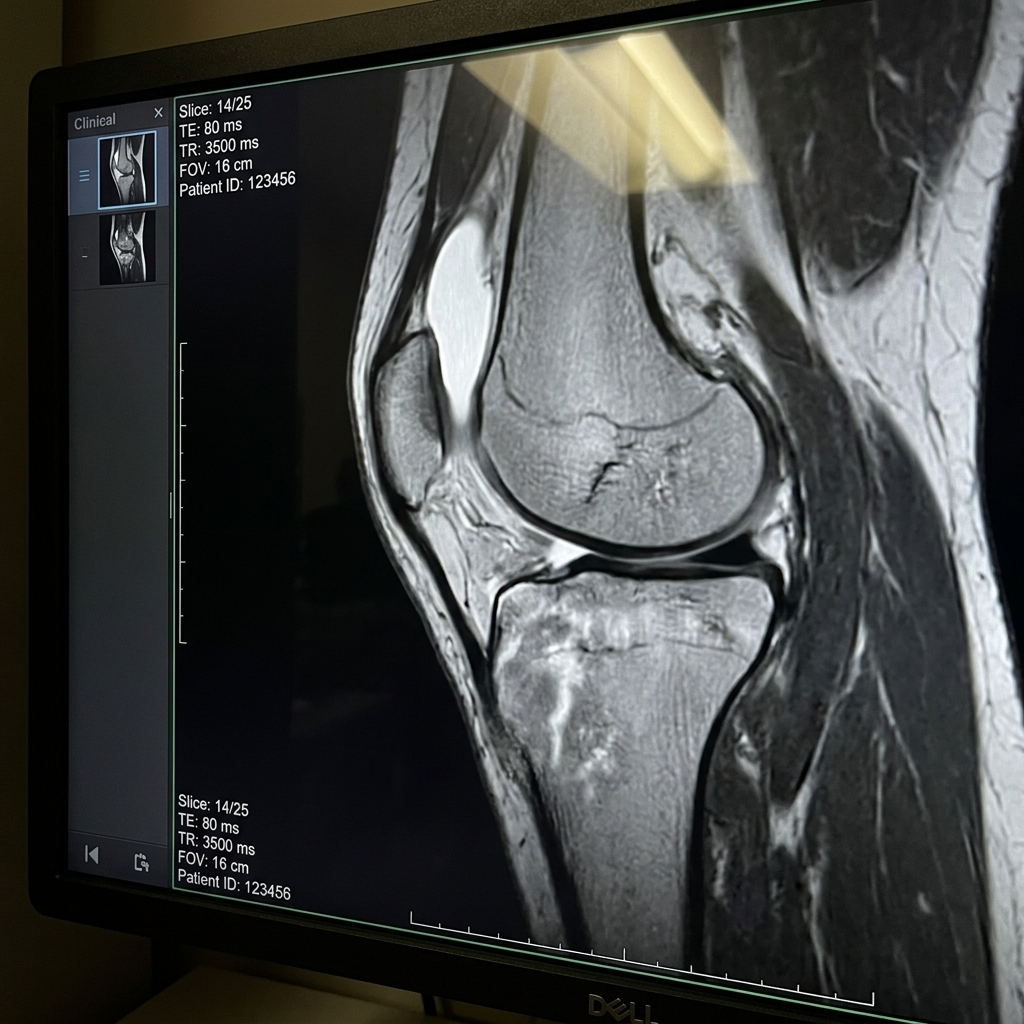
I spent four years and over $1,100 on creams that did nothing for my arthritis. Here's the one jar that finally made a difference — and why the others never stood a chance. ⠀ I'm Anna, 63. I have osteoarthritis in both knees and in my hands. And I want to walk you through every single thing I tried before I found something that actually helped — because if you're where I was, you need to know why those other products were never going to work in the first place. ⠀ It started in my knees about six years ago. Stairs first. Then the walk to the mailbox. Then my hands joined in — stiff knuckles every morning, a jar lid I genuinely could not budge on a bad day. ⠀ My doctor said the words everyone with arthritis has heard: wear and tear, no cure, manage the symptoms. So I started managing. Or trying to. ⠀ First was a glucosamine supplement. Eight months, religiously, every single day. I kept waiting to notice a difference. I never did. ⠀ Then a menthol rub — the kind that makes your whole house smell like a clinic. It gave me maybe twenty minutes of relief before it faded completely, and my husband eventually asked me to use it in the garage because the smell was too strong for the living room. ⠀ I found out later why that's all it ever did. Menthol doesn't treat inflammation at all — it just overloads your skin's nerve endings with a cold sensation that distracts your brain from the ache underneath for fifteen, twenty minutes, tops. Then it's gone, and the joint is exactly the same as before you put it on. ⠀ Then a capsaicin cream my doctor actually recommended for my hands. The burning was so unpleasant I genuinely dreaded applying it, which meant I "forgot" most days, which meant it never had a chance to do anything for me at all. ⠀ Apparently capsaicin actually can help, in theory — it works by depleting a pain chemical in your nerves called Substance P. But it only works if you use it three or four times a day for weeks straight, which nobody mentioned to me. With burning that bad, I wasn't getting anywhere close to that. ⠀ I tried a CBD cream a friend swore by. Pleasant smell. Felt nice going on. Did nothing I could point to after six weeks. ⠀ I get why now too. Most over-the-counter CBD creams don't have anything in them to actually push the ingredient past your skin and down into the joint. It feels nice. It just never gets where it needs to go. ⠀ I tried compression gloves for my hands and a knee sleeve for stairs. They helped with support, not with the actual ache underneath. ⠀ That part made sense too, once it was explained to me. Compression just adds warmth and helps you feel where your joint is in space — it stabilizes things mechanically. It does nothing at all for the actual inflammation happening inside. ⠀ Total spent over those four years, between supplements, creams, gloves, and one cortisone shot my insurance barely covered: just over $1,100. Total lasting improvement: close to zero. ⠀ Here's what I didn't understand until much later, and what I wish someone had told me on day one. ⠀ Almost everything I tried was either masking the pain on the surface — menthol, capsaicin — or trying to address something systemic that wasn't actually my main problem, like the glucosamine targeting cartilage building blocks that take months to matter, if they ever do. ⠀ None of it touched what a physical therapist eventually explained was actually driving most of my daily pain. ⠀ She drew it out for me on a piece of paper, which I appreciated, because nobody had ever actually shown me before. Inside the joint there's a thin lining called the synovium. As you age, the blood flow feeding that lining weakens — and when it's not getting enough circulation, it can't clear out its own inflammation. It just sits there, swollen, producing more of the chemical signal that tells your brain something hurts. She called it a pathway with a name I'd never heard before, NF-κB, and said it basically keeps firing pain signals on a loop, almost regardless of how much cartilage you've actually lost. ⠀ That explained something that had bothered me for years — why some mornings were fine and others weren't, even though nothing about my joints had supposedly changed overnight. It wasn't the cartilage changing day to day. It was that inflamed lining, flaring or calming depending on circulation, that had nothing to do with how I'd slept or what I'd eaten. ⠀ She said most of what's sold for arthritis either numbs the surface or targets cartilage directly, and almost nothing is actually built to restore circulation to that lining or quiet that specific signal at the source. ⠀ There was one topical formulation she'd seen a few patients try with some success, designed around exactly that. That's when I first heard the name: Senzio Miracle Balm. ⠀ I'll be honest — I almost didn't bother looking it up. I'd had enough disappointment that another jar of cream felt like throwing money away again. ⠀ But the way it was explained made sense in a way nothing else had. It wasn't trying to numb the surface, or wait months for cartilage building blocks to maybe help, or just rely on one ingredient and hope. ⠀ She told me the order actually matters. If the lining doesn't have decent circulation, nothing you put on top of it really gets in or does much once it's there — which is exactly what happened with that CBD cream that smelled nice and went nowhere. So the formula handles circulation first, and the anti-inflammatory part second, once the tissue can actually receive it. ⠀ The formula is built around five ingredients: Comfrey, Angelica Sinensis, Peppermint Oil, Frankincense, and Myrrh. ⠀ Angelica Sinensis and Peppermint Oil handle restoring circulation to the inflamed joint tissue itself. Frankincense and Myrrh calm the inflammatory cascade directly at the source — the NF-κB signal driving the pain. And Comfrey supports the connective tissue carrying all that wear. ⠀ It's all held in a sesame oil and beeswax base — no water, no fillers — which is apparently what keeps it actually absorbing into the skin instead of sitting on top of it and evaporating off, the way my old menthol rub always did within twenty minutes. ⠀ I used it on my knees and my hands, twice a day, for three weeks before I let myself believe anything was different. ⠀ Week one — nothing dramatic, but the morning stiffness in my hands seemed to ease up faster than usual. ⠀ Week two — I opened a jar of pickles without running it under hot water first. Small. But I noticed. ⠀ Week three — I walked to the mailbox and back without needing to stop halfway, something I hadn't done in over a year. ⠀ It's been four months now. And the daily ache that used to follow me around all day has a noticeably lower volume, and my hands wake up working in the morning instead of needing twenty minutes to loosen up first. ⠀ What gets me is the math. $1,100 over four years on things that mostly did nothing, versus one jar that actually changed my mornings. I wish I'd found this first, instead of last. ⠀ Senzio is 50% off at the moment, and it comes with a 60-day money-back guarantee — which is honestly the only reason I let myself try it after everything else failed me. ⠀ If it hadn't worked, it would have cost me nothing on top of the $1,100 I'd already wasted. ⠀ If you've got a drawer full of creams that never did anything either, I'm not going to tell you this one is magic. I'm going to tell you it's the first thing that actually addressed what was wrong, instead of just sitting on top of it. ⠀ P.S. — My husband noticed before I said anything. He just said, "You're not wincing on the stairs anymore." I hadn't even realized I'd stopped. ⠀ P.P.S. — I went back and thanked my physical therapist last week. Told her I almost didn't order it after she mentioned it, because I'd already wasted so much money on other things by then. She just laughed and said that's what almost everyone tells her.
Engagement over time
Not enough history yet to show a trend.