Rachel Porter
I gained weight on a diet that should have starved me
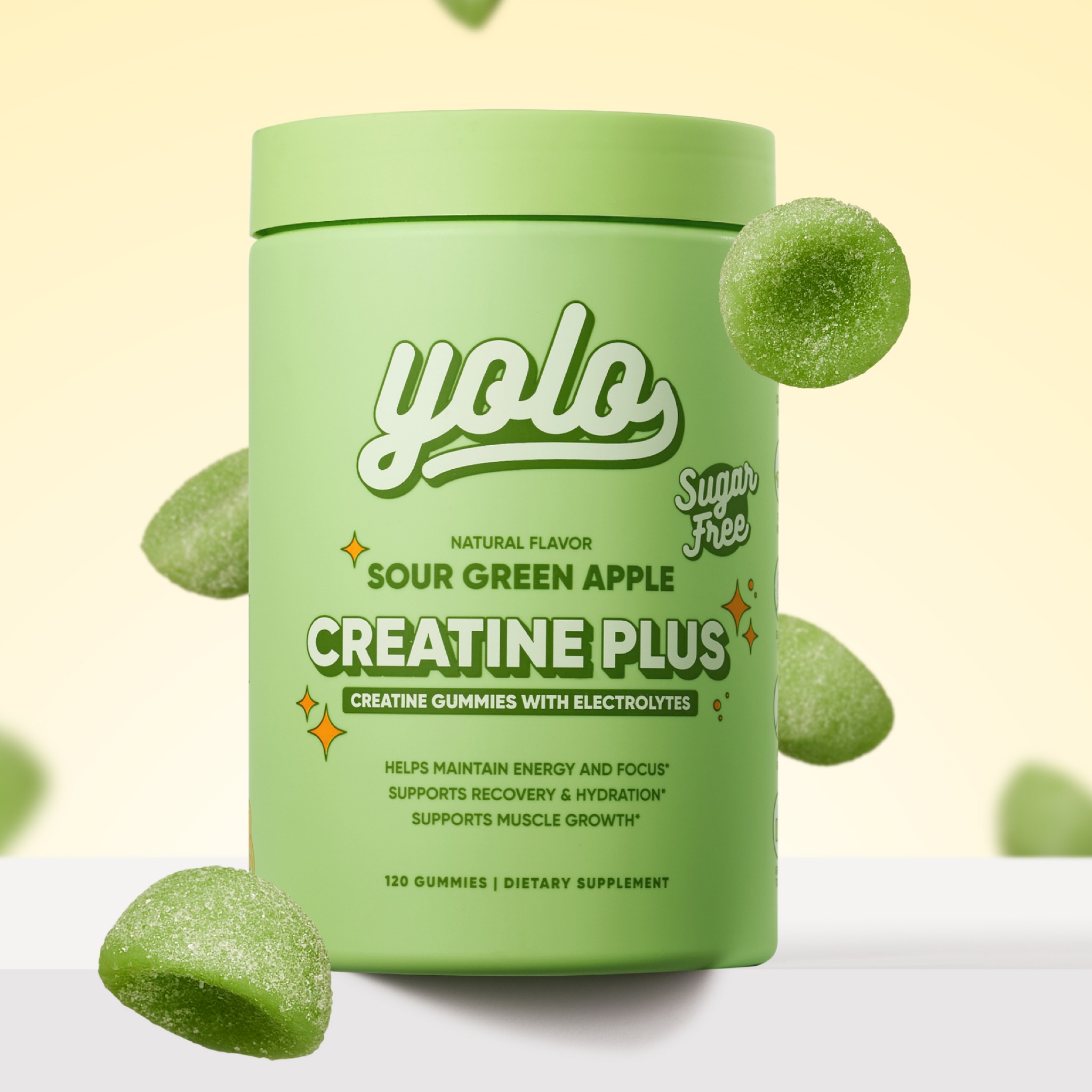
I gained 12 pounds in one year eating 1,200 calories a day. I tracked every bite. Every meal. Every snack. I ate less than my 14-year-old daughter and I gained a pound a month. Nobody could explain it until I found out what was actually happening inside my body. I have the MyFitnessPal data. Twelve months of logged meals. I can show you exactly what I ate on any given Tuesday. 4 oz grilled chicken. Half cup brown rice. Steamed broccoli. A tablespoon of olive oil because I measured it. An apple for a snack. A protein shake after the gym. 1,187 calories. That was a typical Tuesday. I burned approximately 1,800 calories a day based on my activity level. That's a 600-calorie daily deficit. Over a year, that's over 200,000 calories of deficit. That should have been 57 pounds of weight loss. I gained twelve. My name is Terri. I'm 47. I live in Columbus, Ohio. I'm an operations manager at a logistics company. I run a team of twenty-two people. I manage a $4 million budget. I am not a person who fails at math. But my body was doing math that didn't add up. I went to my doctor. She looked at my food logs. She looked at my weight graph. She looked at me like I was lying. "Are you sure you're tracking everything? Sometimes we forget the little things — the cream in our coffee, the handful of almonds..." I don't put cream in my coffee. I drink it black. I weigh my almonds on a kitchen scale. I track the cooking spray. I track the gum I chew. I am not forgetting anything because I am obsessed with the data and the data is telling me something is broken. She ran bloodwork. Thyroid: normal. Insulin: normal. Cortisol: normal. Everything: normal. She told me to "be patient" and "sometimes our bodies hold onto weight during perimenopause." I wanted to scream. I have been patient. For twelve months. While gaining twelve pounds on a diet that should be physically impossible to gain weight on. I went home and I did something I should have done a year earlier. I stopped looking at calories and started looking at what was actually happening at the cellular level. And what I found made me want to set my bathroom scale on fire. Here's the thing nobody tells you about metabolism. Your metabolic rate — the number of calories you burn at rest — is not determined by how much you exercise. It's not determined by how much you eat. It is primarily determined by how much lean muscle tissue you have. Muscle is metabolically expensive. It burns calories 24 hours a day, even when you're sleeping. Every pound of muscle burns approximately 6-7 calories per day at rest. Every pound of fat burns approximately 2. This sounds like a small difference until you scale it. A woman with 100 pounds of lean muscle burns approximately 600-700 calories per day just existing. A woman with 85 pounds of lean muscle burns approximately 510-595 calories per day. That's a difference of 100 calories per day. That doesn't sound like much. Over a year? That's 36,500 calories. That's about 10 pounds. I didn't gain 12 pounds because I ate too much. I gained 12 pounds because I lost enough muscle to lower my resting metabolic rate below the threshold where 1,200 calories was still a deficit. My body had become so metabolically slow that 1,200 calories was maintenance. Possibly even a surplus. And here's why I was losing muscle: after 40, women lose approximately 1-2% of their lean muscle mass per year. After 45, it accelerates. The hormones that signal muscle preservation — estrogen, testosterone, growth hormone — are all declining. But that's only half the problem. The other half is the one that made me furious. I was already lifting weights. Three times a week. I was already eating protein — 130 grams a day. I was doing everything the fitness industry says to do to maintain muscle. And it still wasn't enough. Because muscle preservation doesn't just require stimulus (exercise) and raw material (protein). It requires cellular energy. ATP. The fuel your muscles use to contract, recover, and rebuild after a workout. And what recycles ATP? Creatine. After 40, creatine production drops. Your muscles get less ATP. They recover slower. They rebuild less efficiently. The workout breaks them down, but they can't fully rebuild before the next workout breaks them down again. Net loss. Every week. Every month. Every year. You're on a treadmill — not the cardio kind. The kind where you're working harder and harder to maintain muscle that's slipping away because the fuel system underneath is running on empty. Less muscle → lower metabolic rate → same calories now cause weight gain → you eat even less → even less fuel for muscle maintenance → even more muscle loss → even lower metabolic rate. The spiral. And at the bottom of the spiral is a woman eating 1,200 calories a day, lifting three times a week, and gaining a pound a month while everyone around her thinks she's lying about what she eats. I'm not lying. My body is just running on less cellular fuel than it needs to maintain the muscle that maintains my metabolism. I found creatine supplementation through a metabolic health podcast. The host — a PhD in exercise physiology — said something that stopped me cold: "If you're a woman over 40 and you're losing muscle despite resistance training and adequate protein, the most likely bottleneck is creatine availability for ATP resynthesis." She recommended 5 grams of creatine monohydrate daily. The clinical dose. She specifically warned against the 2-3 gram gummies on Amazon. "That's like taking half a painkiller and wondering why your headache is still there." I found YOLO Creatine+. Sour green apple gummies. Four per day. 5 grams creatine monohydrate. Plus magnesium, sodium, zinc for electrolyte support. I didn't change my diet. I didn't change my workout. I didn't add more cardio or cut more calories. I just added four gummies with my morning coffee. Here's what happened. Week two. My recovery from lifting sessions improved noticeably. Usually after a heavy leg day, I'd be sore for three days. By week two, it was one day. My muscles were recovering faster because they had the ATP to actually rebuild. Week three. My gym performance changed. I added weight to three exercises in one week — something I hadn't done in six months. Not because I got mentally tougher. Because my muscles had more fuel to generate force. Week four. I stepped on the scale. Down 1.5 pounds. After twelve months of gaining, I lost weight. Without changing a single thing about my diet. Without adding a single minute of exercise. I stared at that number and took a photo of it. First time in a year the number went down. Week six. Down 4 pounds. My pants fit differently. Not dramatically — but the muffin top that had been forming over my waistband for a year was flatter. My arms looked different in the mirror. Not thinner. More defined. Like the muscle underneath was coming back. Month two. Down 7 pounds. I did a body composition scan at my gym. Lean mass: up 2.3 pounds. Fat mass: down 9.3 pounds. Read that again. I GAINED muscle while LOSING fat. On 1,200 calories. The same 1,200 calories that had been making me gain weight for a year. The only difference was creatine. The muscle came back. The metabolism went up. The same calories that were maintenance at 85 pounds of muscle were now a deficit at 87 pounds of muscle. The math finally worked. Month three. Down 11 pounds. I deleted MyFitnessPal. Not because I don't care about nutrition — because I stopped needing to obsess. My metabolism is working again. I can eat 1,400-1,500 calories and maintain. I can eat 1,200 and lose. Like a normal human body. My doctor looked at my latest bloodwork and said, "Whatever you're doing, keep doing it." I showed her my body composition scan. She stared at it. Then she said, "I've honestly never seen a patient gain lean mass while in a caloric deficit at your age without pharmaceutical intervention." Four gummies. That's the pharmaceutical intervention. If you're a woman over 40 who is eating less than she's ever eaten and weighing more than she's ever weighed — if the math doesn't make sense — if you're tracking every calorie and the scale is going up and nobody believes you — please listen to me. You're not lying. You're not failing. You're not eating more than you think. Your metabolism is collapsing because your muscles are disappearing because your body doesn't have enough creatine to maintain them. Fix the creatine. The muscle comes back. The metabolism follows. The math starts working again. YOLO Creatine+. 5 grams creatine monohydrate. Full clinical dose. Magnesium, sodium, zinc. Sour green apple gummies. Four gummies with your morning coffee. 🛡️ 50% off right now + free shipping. Stop starving yourself into a slower metabolism. Feed your muscles the molecule they need and let your body do the math it was designed to do.
Engagement over time
Not enough history yet to show a trend.