Rob Moore
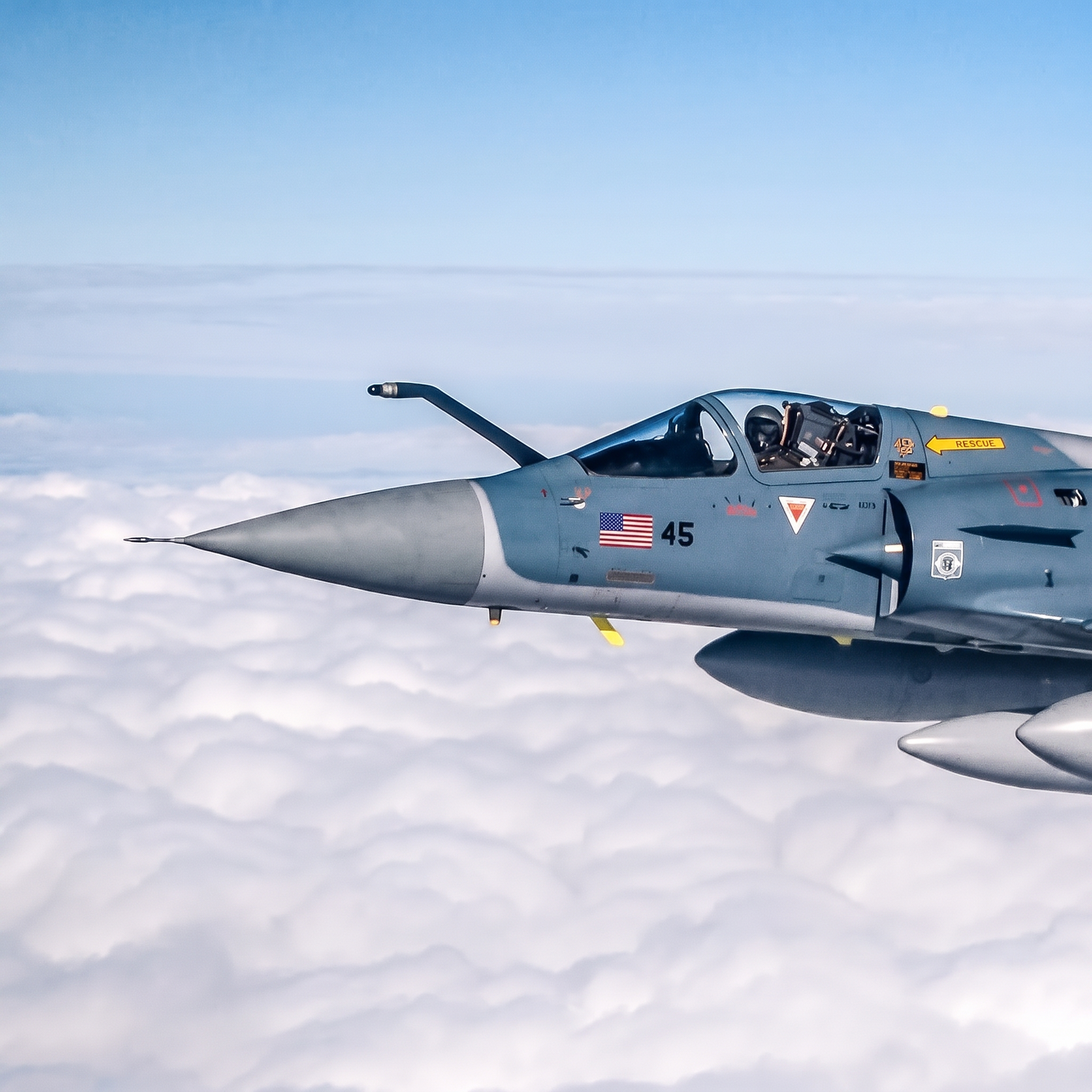
18 years flying F-22s.
I've been flying F-22s for the U.S. Air Force for 18 years. Last month a 26-year-old wingman brought something into our squadron that I can't stop thinking about. I'm not exaggerating. I almost made fun of him the first time I saw it. Now I won't deploy without it. Let me back up. I fly the Raptor. Air superiority. Own the sky. Bring everyone home. 16-hour duty days. Five-hour sorties pulling 7 Gs. Two weeks at a TDY. Three weeks at Red Flag. A month deployed. Then back to Langley. Then back out again. You sign up for the job. What you don't sign up for is what it does to your body after two decades. I'm 42. My back is shot. My neck is a wreck from years of pulling Gs. My hands ache by the third hour of every sortie and they're still aching the next morning. And I'm cold. All the time. Hands and feet, even on the ramp in July at Langley in a flight suit. I'd stopped mentioning it because it sounded like nothing. My wife told me last year I look grey when I come home from a TDY. Not tired. Grey. I've tried everything. Better sleep hygiene. A weighted blanket. Compression gear under the flight suit. Creatine. A grounding sheet a colleague swore by. Worked for a few weeks. Then back to nothing. Then about four months ago, the squadron got a new wingman. Kid named Daniel. Quiet. Sharp. 26 years old. His grandfather flew F-15s in the Gulf War. He came in with that respectful kind of energy. I liked him right away. But here's the thing. Daniel outperforms everyone in the squadron. We had a stretch in February. Six sorties in eight days. A 5-hour mission with two air refuelings and a heavy G-Ex profile right in the middle. The next morning, every pilot in the briefing room looked like death. Coffee cups trembling in their hands. Eyes sunken in. Daniel walked in at 6 AM. Fresh flight suit. Colour in his face. Asked if anyone wanted to hit the gym before debrief. I figured it was youth. 26 versus 42. Of course he recovers faster. But I kept noticing it sortie after sortie. The brutal trips didn't stick to him the way they stick to the rest of us. He'd come off a G-Ex and be fine by dinner. I'd come off the same profile and my head would pound for two days and my hands would be stiff into the following week. And his G-tolerance was better than mine. Not by a little. He'd hold a straining manoeuvre through a profile that had me greying at the edges, and he'd talk about it afterward like it was a warm-up. Then one night I walked past his hotel room at Elmendorf. The door was open. Daniel was sitting on the edge of the bed with a printed bag in his hand, shaking a softgel into his palm next to a plate of hotel food. "What the hell is that?" He looked almost embarrassed. "Cayenne pepper." "A what?" He explained it. Said it was the only thing that stopped his hands going cold at altitude, and that his recovery between sorties changed completely once he started it eight months earlier. I stared at him. "You're telling me a pepper is the reason you're handling this job better than guys with 18 years on you?" He shrugged. "All I know is I don't get the two-day headache. My hands work the next morning. And I hold Gs better than I did a year ago at the same weight and the same fitness." I laughed at him. I'm being honest. I told the flight lead at the next debrief and we gave the kid crap for a week. But it nagged at me. Because I couldn't stop noticing how Daniel handled stuff that used to wreck me at his age. The 3 AM alerts. The 16-hour duty days. The G-Ex that left the rest of us with our heads pounding. He'd shake them off and move on. A man half my age was doing my job better than me. And it wasn't because he was tougher. Something was helping him recover that wasn't helping me. One night, three weeks later, I'm lying on a bed in the BOQ at Tyndall after a brutal sortie. My back is locked up. My hands are stiff. My feet are cold under the blanket in Florida. And all I keep thinking about is Daniel three doors down, who flew the same profile I did and went to the gym afterward. I grabbed my phone and looked it up. I read for an hour. Here's the part that made sense to me in plain English. Everything this job does to you comes down to one thing. Blood getting where it needs to go. Pulling Gs is a circulation problem. That's the whole event. Seven Gs drives the blood in your body toward your feet and away from your head, and what keeps you conscious and clear is how fast and how hard your blood vessels can clamp down and push it back up. That's not muscle. That's the vessels themselves. Recovery is a circulation problem too. After a five-hour sortie your tissue is full of metabolic waste and short on oxygen. What clears it out and brings the oxygen back is blood flow. If the flow is good you're fine by dinner. If it isn't, you're grey for two days. And every blood vessel in your body is lined with a layer one cell thick called the endothelium. That layer produces nitric oxide, which is the signal that tells a vessel to open on demand. When you're 26 that system is sharp. It responds instantly. Then years of stress, broken sleep, inflammation and repeated G exposure wear that lining down. The cells age. They stop responding. The vessels get slow and stiff and stop opening the way they should. That's the cold hands. Blood isn't reaching the far end of you. That's the two-day head after a G-Ex. The flow that's supposed to clear you out isn't clearing you out. That's the stiffness. That's the grey face. That's the fog in the briefing room where a call sign you've known for nine years just isn't there. Same job. Same profile. Different vessels. That's what a 26-year-old has that a 42-year-old doesn't, and it isn't grit and it isn't fitness. I'm fitter than half the squadron. It's the lining. And there's a switch in that lining. A receptor called TRPV1. When it gets activated, the cells clear out the aged ones, grow new ones, and start producing nitric oxide again. The most powerful natural activator of it that anyone has ever found is capsaicin. The compound in cayenne pepper. That's the whole thing. That's what Daniel was doing on the edge of that bed with a plate of hotel food. I went to him at breakfast in the chow hall the next morning. He pulled the bag out of his pubs kit and put it on the table. "Don't buy it at a pharmacy," he said. "That's why nobody thinks it works." He walked me through it. Every cayenne capsule on a shelf lists milligrams of ground pepper, not milligrams of capsaicin, and pepper potency swings wildly between harvests. If the label doesn't state the actual capsaicin, nobody knows what's in it, including the company that sold it to you. And even at the right dose, raw capsaicin gets broken down by your liver before it reaches the vessel wall. It needs something to get it past that or it never arrives. "This one states the capsaicin. Three milligrams. And it's got BioPerine in it so it actually gets there. That's the entire difference." I felt stupid ordering it. 18 years flying the most advanced fighter jet on the planet. And here I am ordering cayenne pepper because the new guy told me to. It showed up four days later at Langley before my next TDY. I packed it in my pubs bag. Didn't tell anyone. One softgel with each meal. Three a day. Breakfast, lunch, dinner. That's the whole protocol, and Daniel was firm that you spread it across the day rather than taking them together. Week one, nothing. I want to be straight about that. No jolt, no rush. It isn't a stimulant. I nearly wrote it off. Then at the end of week two I was in a hotel in Korea and I noticed my hands were warm. That sounds like nothing if you're not sitting in a cockpit with your fingers wrapped around a stick for five hours. I hadn't had warm hands since somewhere around 2019. I lay there flexing them like an idiot. Week four, the two-day head after a G-Ex became a one-day head. Then it stopped being a thing at all. Week six, my hands stopped aching. F-22 pilots grip the stick for hours and I'd accepted the stiffness as part of the deal. It went. Then my neck. Then my back started loosening morning by morning. I stopped blanking on call signs in the briefing room. I started running checklists clean. I started showing up to step feeling like I did at 30. And around week ten I noticed the thing I actually cared about. I was holding Gs better. Not because I'd gotten stronger. Because the vessels were doing their job faster. Daniel noticed before I said anything. We were walking out to the jets at Langley one morning. He looked over at me and grinned. "You ordered a bag, didn't you?" I just nodded. "Told you." By the end of the third month, the squadron commander pulled me aside after debrief. "You alright? You seem different lately." I told him my recovery had picked up. Didn't mention the cayenne. He said, "Whatever you're doing, keep doing it. You look ten years younger this month." That's when I started telling guys. The first one I told was a flight lead. 19 years on the line. Two divorces. Worse hands than mine. He laughed at me. Three weeks later he texted me from a TDY in Germany and asked for the link. Within two months, six of us were taking it every day. The pilots using it are sharper in the cockpit. Nobody in the squadron has called in sick this month. That's unheard of in fighter aviation. The job hasn't changed. The recovery has. I went to the flight surgeon six weeks in. He didn't laugh. He said the receptor work is real and the Nobel Prize went to the people who mapped it in 2021. He said the problem is almost everyone buys ground pepper with no stated capsaicin content and no way to absorb it, takes it for two weeks, gets heartburn, and decides it doesn't work. He also said something that stuck with me. He said the vessel lining takes about twelve weeks to rebuild, and that almost nobody stays on anything for twelve weeks, so almost nobody finds out. That's why the bag holds eighty days instead of thirty. I'm telling you this because I should be on the back nine of my career at 42. I feel better right now than I did at 32. Daniel said it's quietly spreading through military and first responder communities. Most of the public has no idea. I believe that now. Three bags. One at home. One in my pubs bag. One backup at the squadron. I don't deploy without it. If you're a pilot. A first responder. A shift worker. Anyone whose body is getting hammered by something you can't control, and anyone whose hands are cold and whose recovery isn't what it was. Just read the article. It walks through the whole thing. Why the lining is what actually decides your G-tolerance and your recovery. Why almost every cayenne product on a shelf can't reach it. What to look for on a label so you don't waste twelve weeks on ground pepper. 👇 The exact brand is in there. Make sure it's the real one. The ones that don't state their capsaicin content don't work. https://aurivita.co/pages/listicle-3
Engagement over time
Not enough history yet to show a trend.